
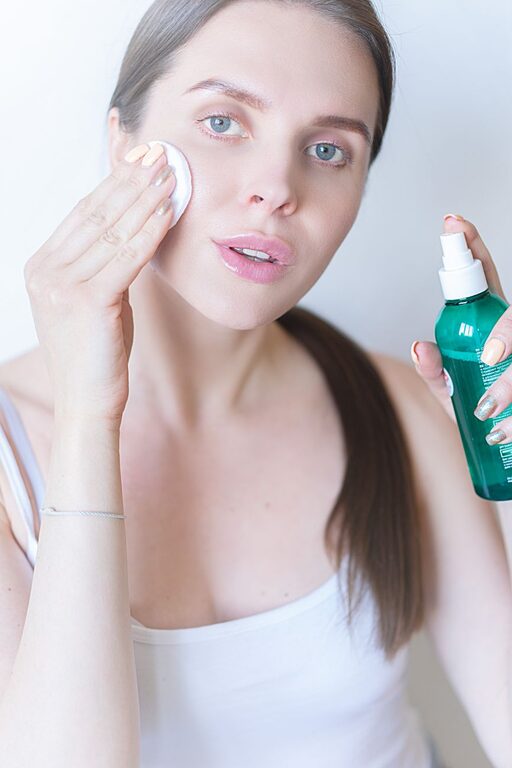
Starting a skincare routine can feel overwhelming, especially with so many products and advice out there. But creating a simple, effective routine doesn’t have to be complicated. Whether you want to improve your skin’s health or just maintain a fresh, glowing look, a basic skincare routine tailored to your needs is a great place to start.
In this post, we’ll walk you through the essential steps to build your own skincare routine. We’ll cover the types of products you need, how to choose them, and tips to make skincare a sustainable habit.
Why Have a Skincare Routine?
Your skin is the body’s largest organ and acts as a barrier against environmental damage and pollution. A consistent skincare routine helps:
– Keep skin clean and hydrated
– Prevent common issues like dryness, excess oil, or breakouts
– Support natural skin functions and repair
– Promote an even tone and a healthy glow
A basic routine doesn’t require dozens of products or complicated steps. With a few essentials, you can support your skin’s health effectively.
Step 1: Identify Your Skin Type
Before buying products, it helps to know your skin type. This makes it easier to pick formulas that work best for you. The main skin types are:
– Normal: Balanced, not too oily or dry
– Dry: Tight, flaky, or rough skin
– Oily: Shiny skin with enlarged pores, prone to breakouts
– Combination: Oily in some areas (usually T-zone) and dry or normal in others
– Sensitive: Easily irritated, red, or itchy
You can determine your skin type by observing how your skin feels a few hours after washing or by consulting a dermatologist.
Step 2: Basic Skincare Routine Steps
A simple skincare routine has three core steps: cleansing, moisturizing, and protecting. Let’s break these down.
1. Cleansing
Cleansing removes dirt, oil, sweat, and makeup from your skin. It helps prevent clogged pores and breakouts.
– Use a gentle cleanser suited to your skin type.
– Wash your face twice a day—morning and evening.
– Avoid harsh soaps or scrubs that can strip natural oils.
For dry skin, choose creamy cleansers that hydrate. For oily skin, gel or foaming cleansers work well. Sensitive skin may benefit from fragrance-free, mild cleansers.
2. Moisturizing
Moisturizer keeps your skin hydrated and helps maintain its protective barrier.
– Apply moisturizer right after cleansing, while your skin is still slightly damp.
– Pick a moisturizer based on your skin type—light lotions for oily skin, richer creams for dry skin.
– Even if your skin is oily, don’t skip moisturizing; it balances oil production.
Moisturizers often contain ingredients like hyaluronic acid, glycerin, or ceramides that attract and lock in moisture.
3. Sun Protection
Protecting your skin from the sun is one of the most important steps for healthy skin and preventing premature aging.
– Use a broad-spectrum sunscreen with at least SPF 30 every day, even on cloudy days.
– Apply sunscreen as the last step in your morning routine, about 15 minutes before going outside.
– Reapply every two hours if you’re outdoors for an extended period.
Look for sunscreens that suit your skin type—matte formulas for oily skin or hydrating ones for dry skin.
Optional Steps to Consider
Once you’ve mastered the basics, you can introduce additional steps if you want to address specific concerns or boost your routine.
Exfoliation
– Helps remove dead skin cells and promotes cell turnover.
– Use a gentle exfoliant 1-2 times per week.
– Avoid over-exfoliating, which can irritate skin.
Serums
– Concentrated formulas with active ingredients like vitamin C or niacinamide.
– Can target issues like dullness, uneven tone, or fine lines.
– Apply after cleansing and before moisturizing.
Eye Cream
– Specifically designed for the delicate skin around the eyes.
– Helps with puffiness, dark circles, or dryness.
Tips for Success
– Be consistent: Skincare benefits build over time.
– Patch test new products: Apply a small amount to your wrist or behind your ear to check for irritation.
– Keep your routine simple: It’s better to have a few effective steps than many products you don’t use regularly.
– Stay hydrated and eat balanced meals: Skin health also relies on overall lifestyle.
– Clean your makeup tools regularly: Brushes and sponges can harbor bacteria.
Common Mistakes to Avoid
– Using hot water, which can dry out skin. Use lukewarm water instead.
– Over-washing your face, which can irritate and strip natural oils.
– Skipping sunscreen, even on days you stay indoors. UV rays can penetrate windows.
– Applying too many new products at once, making it hard to identify what works or causes irritation.
Final Thoughts
Starting a skincare routine doesn’t have to be intimidating. With a few essential products and steps, you can care for your skin effectively. Remember to listen to your skin’s needs and adjust your routine as necessary. Over time, healthy habits will help your skin look its best and feel comfortable every day.
If you have persistent skin concerns or conditions, consider consulting a dermatologist for personalized advice.
By following this guide, you’ll be on your way to a simple and sustainable skincare routine that keeps your skin clean, hydrated, and protected. Happy skincare!
About the Author