Planning balanced meals doesn’t have to be a daunting task. With busy schedules and countless food options, preparing nutritious and delicious meals can sometimes feel stressful. However, by adopting a few simple strategies, you can create meal plans that are both balanced and easy to follow, helping you and your family enjoy wholesome food without the hassle.
What Is a Balanced Meal?
A balanced meal includes the right proportions of different food groups to provide essential nutrients. Typically, a balanced plate consists of:
– Vegetables and fruits: Provide vitamins, minerals, and fiber
– Proteins: Support muscle health and keep you full (examples: lean meats, beans, tofu, fish)
– Whole grains: Provide energy and fiber (examples: brown rice, quinoa, whole wheat bread)
– Healthy fats: Important for brain function and absorption of vitamins (examples: nuts, seeds, avocado, olive oil)
– Dairy or dairy alternatives: Offer calcium and vitamin D
Including a variety of foods ensures you get a wide range of nutrients and keeps your meals interesting.
Why Plan Meals?
Meal planning can save time, reduce food waste, and improve your overall diet. When you plan ahead, you’re less likely to rely on quick, processed foods and more likely to enjoy home-cooked meals that suit your nutritional needs.
How to Plan Balanced Meals Without Stress
1. Start Simple
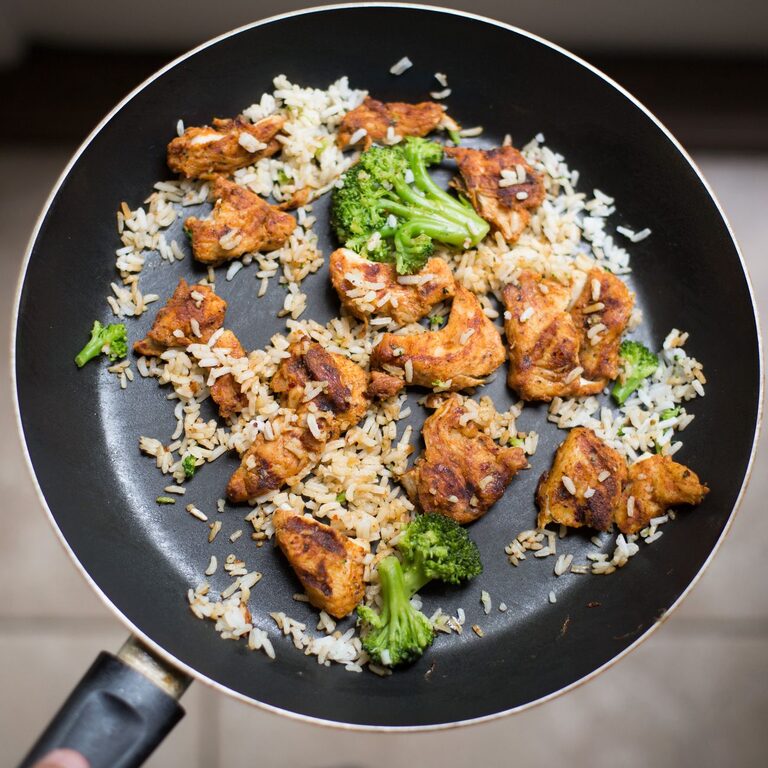
You don’t need complicated recipes or exotic ingredients. Begin with familiar foods and simple meals. Classic dishes like roasted chicken with vegetables or a veggie stir-fry with brown rice are nutritious and easy to prepare.
2. Use the Plate Method
The plate method is a visual tool to balance your meals:
– Half your plate with vegetables and fruits
– One-quarter with lean protein
– One-quarter with whole grains
This way, you ensure balanced portions without counting calories or measuring ingredients.
3. Plan for the Week
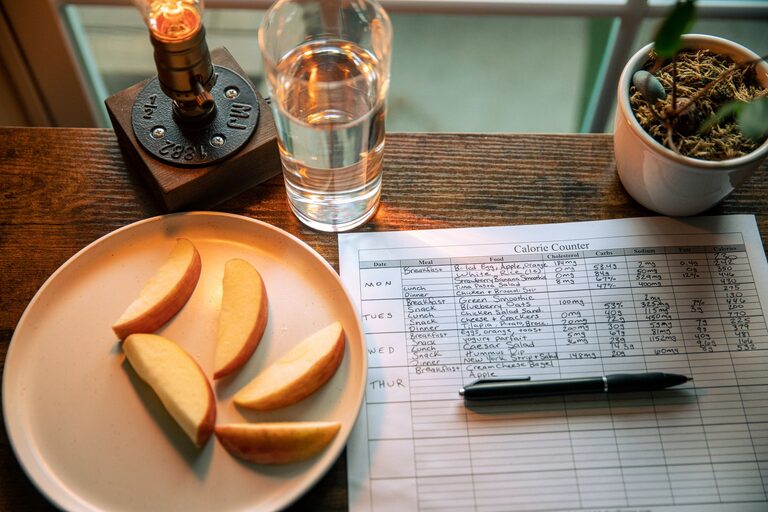
Choose one day, such as Sunday, to plan meals for the upcoming week. Write down breakfast, lunch, and dinner ideas. This prevents last-minute decisions and grocery trips. Keep your plans flexible to accommodate changes.
4. Make a Shopping List
Based on your meal plan, make a detailed shopping list. This helps avoid impulse buys and ensures you have everything on hand. Stick to your list to save time and money.
5. Prep Ingredients Ahead
Preparing some ingredients in advance can make cooking faster and less stressful. Wash and chop vegetables, cook grains, or marinate proteins ahead of time. Store them in the fridge or freezer for easy access.
6. Batch Cook and Freeze
Cooking larger portions and freezing leftovers is a great strategy. Soups, stews, casseroles, and cooked grains freeze well. This gives you quick meals ready to reheat on busy days.
7. Keep Healthy Staples in Your Pantry
Stock your pantry with versatile healthy staples like canned beans, frozen vegetables, whole grains, nuts, and spices. These items can help you quickly throw together balanced meals without extra shopping.
8. Mix and Match
Create a list of favorite proteins, grains, and veggies. Rotate these to avoid repetitive meals. For example, pair grilled salmon, quinoa, and roasted broccoli one day, and chicken, brown rice, and steamed carrots the next.
9. Don’t Forget Breakfast and Snacks
Balanced meals aren’t just about lunch and dinner. Plan simple, nutritious breakfasts like oatmeal with fruit or yogurt with nuts. Keep healthy snacks like fresh fruit, nuts, or cut veggies available to avoid unhealthy options.
10. Be Flexible and Kind to Yourself
Sometimes plans change, and that’s okay. Use leftovers when you can and don’t stress about occasional takeout. The goal is to build a sustainable habit that feels manageable and enjoyable.
Sample Balanced Meal Ideas
Here are some easy and balanced meal ideas to get you started:
– Breakfast: Greek yogurt topped with berries and granola
– Lunch: Turkey and avocado wrap with a side salad
– Dinner: Baked salmon, quinoa, and steamed green beans
– Snack: Apple slices with almond butter
Tools and Resources to Help You Plan
– Meal Planning Apps: Many free apps allow you to create meal plans and grocery lists.
– Cookbooks: Choose one focused on simple, healthy cooking.
– Online Recipes: Websites and blogs specializing in balanced, easy meals.
– Community Support: Join local or online groups for recipe ideas and motivation.
Final Thoughts
Meal planning doesn’t have to be overwhelming. By starting simple, planning ahead, and keeping a few healthy staples on hand, you can enjoy balanced meals every day without added stress. Remember, the key is to find what works best for your lifestyle and enjoy the process of nourishing your body with wholesome food. Happy cooking!
About the Author