Cleaning up after dinner can sometimes feel overwhelming, especially after a long day. However, with a few simple strategies, you can make dinner cleanup easier and quicker. Whether you’re cooking for one or a family, implementing these tips can help reduce stress and keep your kitchen neat. Let’s explore helpful ideas to streamline your dinner cleanup process.
Prepare Ahead to Minimize Mess
Plan and Organize Your Cooking Space
Before you start cooking, take a moment to organize your kitchen. Gather all ingredients, utensils, and cookware you will need. Having everything within reach prevents extra trips and reduces the time spent handling dirty dishes mid-prep.
Use Mise en Place
“Mise en place” means putting everything in its place. Chop vegetables, measure spices, and prep ingredients before cooking. When everything is ready beforehand, you can cook more efficiently and avoid clutter building up in the kitchen.
Cook Smart to Limit Cleanup
Use Fewer Pots and Pans
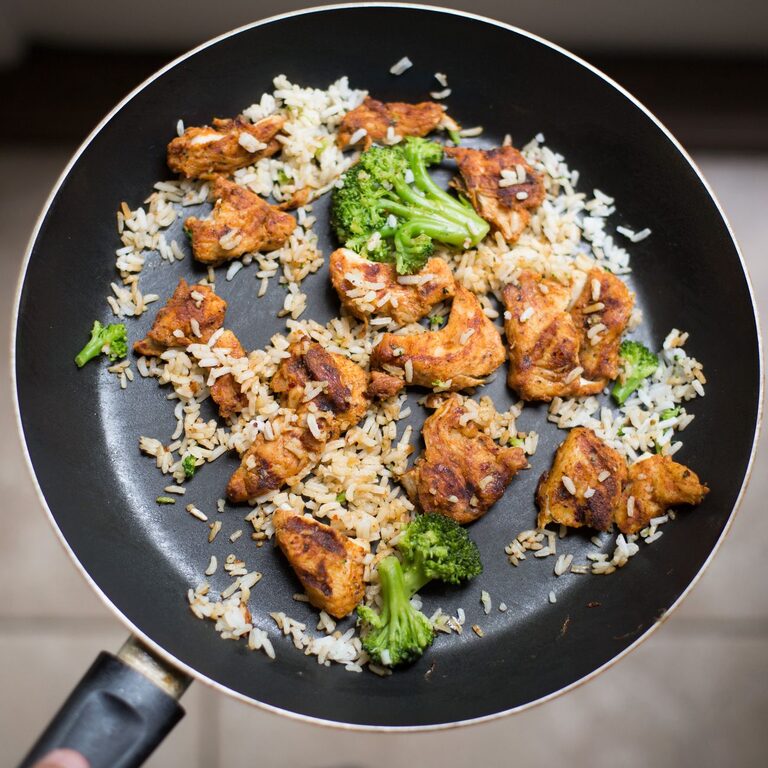
Whenever possible, choose recipes that require fewer cooking vessels. For example, one-pan meals, sheet pan dinners, or skillet recipes help keep dirty dishes low. Cooking in fewer pots also means fewer items to wash later.
Line Baking Sheets and Trays
Use parchment paper or aluminum foil to line baking sheets and trays. This way, leftover food or grease won’t stick, and cleaning becomes as simple as tossing the liner.
Cook in Batches
Batch cooking can reduce the number of times you need to clean up. When preparing multiple meals at once, you can clean between batches or organize tasks to make the process smoother.
Make Cleanup Easier During Cooking
Clean As You Go
Washing cutting boards and knives right after use prevents food from drying on them. Rinse utensils and wipe down surfaces while waiting for food to cook. This ongoing cleanup reduces the pile of dishes at the end.
Soak Pots and Pans Early
Fill pots and pans with warm soapy water right after use. Soaking helps loosen stuck-on food, making scrubbing faster later on.
Use a Garbage Bowl
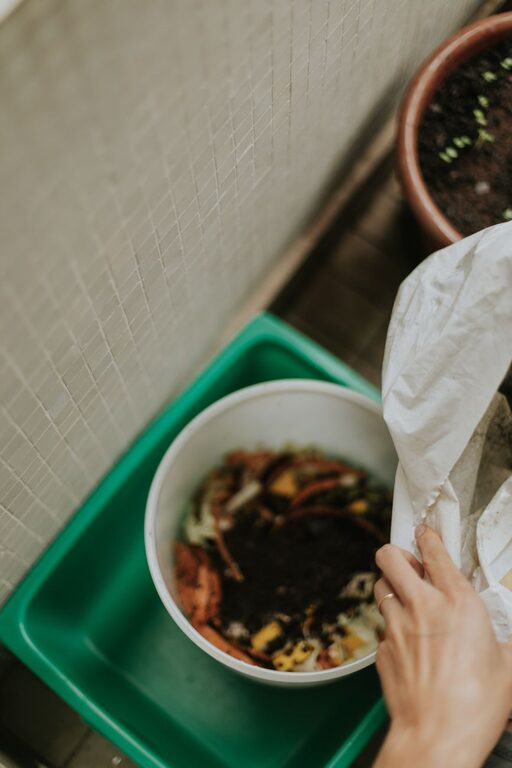
Keep a large bowl nearby to collect scraps and food waste as you cook. This prevents trips to the trash and keeps your workspace tidy.
After Dinner: Quick and Efficient Cleanup
Clear the Table Immediately
Once everyone is done eating, clear dishes and leftovers promptly. Leaving plates on the table encourages messes and can attract pests.
Scrape and Stack Dishes
Scrape food scraps into the trash or compost. Stack dishes by type—plates, bowls, glasses—to save space and make washing more systematic.
Decide on Washing Method
If washing by hand, start with glasses and cutlery, then move to plates and pots. For dishwasher users, load items properly to maximize space and ensure everything gets cleaned effectively.
Wipe Down Surfaces
After dishes are done, wipe the countertop, table, and stove. Cleaning surfaces right away prevents stains and buildup, keeping your kitchen fresh.
Additional Tips for an Organized Kitchen
Use a Dishwasher Efficiently
Run the dishwasher only when full to save water and energy. Regularly clean and maintain it to keep it running smoothly.
Invest in Quality Cleaning Tools
Having good sponges, scrubbers, and dish soap can make a big difference. Microfiber cloths are great for wiping surfaces and drying dishes without streaks.
Set a Routine
Create a daily or weekly cleaning schedule for your kitchen. Consistency makes maintenance easier and prevents overwhelming messes.
Delegate Tasks
If you share your home with family or roommates, assign cleanup duties. Teamwork speeds up the process and helps distribute responsibility.
Conclusion
Dinner cleanup doesn’t have to be a dreaded chore. By preparing ahead, cooking smart, cleaning as you go, and following efficient post-meal steps, you can make your kitchen cleanup easier and quicker. Implementing these ideas fosters a tidier kitchen and more enjoyable cooking experience. Try some of these tips today and see how much more manageable dinner cleanup becomes.
About the Author