Reducing food waste at home is not only good for the environment but also helps you save money and make the most of your groceries. Every year, tons of food go uneaten and end up in landfills, contributing to unnecessary waste. The good news is that with a few mindful habits, you can significantly cut down on food waste and enjoy fresher meals. Here are some practical ways to reduce food waste in your household.
Understand the Impact of Food Waste
Food waste contributes to environmental problems like greenhouse gas emissions and unnecessary use of resources such as water and energy. By reducing waste, you help conserve these resources and reduce your household’s carbon footprint.
Plan Your Meals Thoughtfully
Create a Weekly Meal Plan
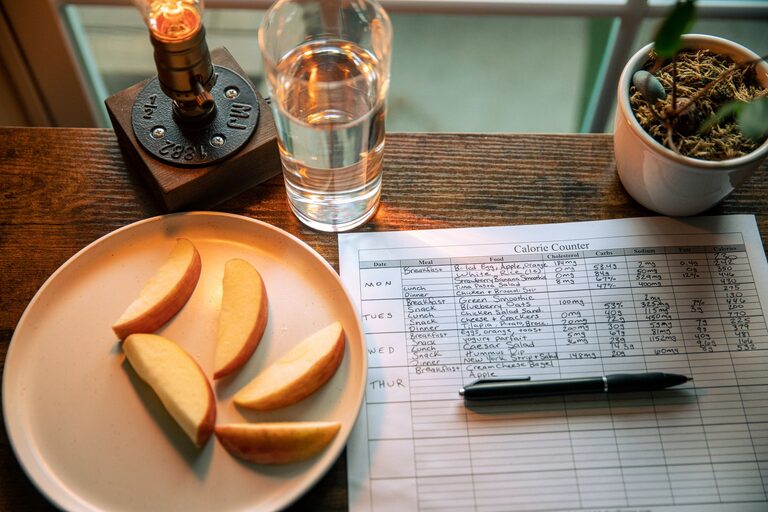
Planning meals ahead lets you buy only what you need. Write down what you intend to cook each day and list ingredients accordingly. This helps avoid impulse purchases and excess food that may spoil before use.
Check Your Pantry and Fridge Before Shopping
Before heading to the store, review what you already have. This prevents buying duplicates of staples and ingredients you already own.
Smart Grocery Shopping
Make a Shopping List and Stick to It
Using a prepared list based on your meal plan reduces the temptation to buy unnecessary items that might go to waste.
Buy in Appropriate Quantities
Purchase fresh produce and perishables in amounts you can realistically consume within a few days to prevent spoilage.
Proper Storage Techniques
Store Fruits and Vegetables Correctly
Keep fruits and vegetables in the right conditions—some fare better in the fridge, others on the counter. For example, tomatoes can lose flavor in the fridge, while leafy greens stay fresh longer when chilled.
Use Airtight Containers and Wraps
Keep leftovers and cut produce sealed well to maintain freshness and prevent exposure to air, which speeds up spoilage.
Use Leftovers Creatively
Incorporate Leftovers into New Meals
Transform leftover ingredients into new dishes like soups, stir-fries, salads, or sandwiches. This not only prevents waste but also saves cooking time.
Freeze Excess Portions
If you have extra cooked food, freezing portions extends their life and provides ready meals for busy days.
Understand Food Labels
Clarify the meaning of date labels like “best before” and “use by.” Often, food is safe to eat after the “best before” date if stored properly. This awareness helps prevent discarding edible food unnecessarily.
Practice Portion Control
Serve smaller portions to avoid uneaten food on plates. You can always go back for seconds if still hungry.
Compost Food Scraps
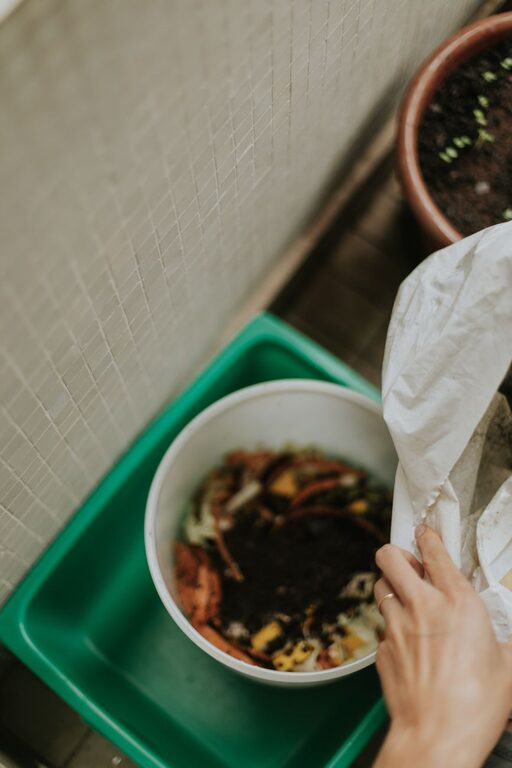
Instead of throwing food scraps into the trash, consider composting. Composting turns organic waste into nutrient-rich soil, which benefits gardens and reduces landfill waste.
Involve the Whole Family
Educate family members about the importance of reducing food waste and involve them in meal planning, shopping, and proper storage. When everyone participates, it’s easier to maintain waste-reducing habits.
Use Technology to Help
Several smartphone apps can assist with meal planning, grocery shopping, and tracking food inventory. Using technology can streamline the process and remind you to use food before it spoils.
Conclusion
Reducing food waste at home is achievable with some intention and simple adjustments. From meal planning to proper storage and creative use of leftovers, these steps can help you save money, reduce environmental impact, and enjoy your food more. Start small, stay consistent, and watch how your efforts contribute to a more sustainable lifestyle.
By adopting these habits, you contribute to a healthier planet and make the most of the food you bring into your kitchen. Every little action counts!
About the Author